Updated: October 2025
Welcome to Czechia – a country of castles, cobblestones, and quiet charm.
If you’re planning a visit, a few practical details can make your trip smoother. Here’s what to know about money, language, and staying safe while exploring the heart of Central Europe.
Currency and Money Matters
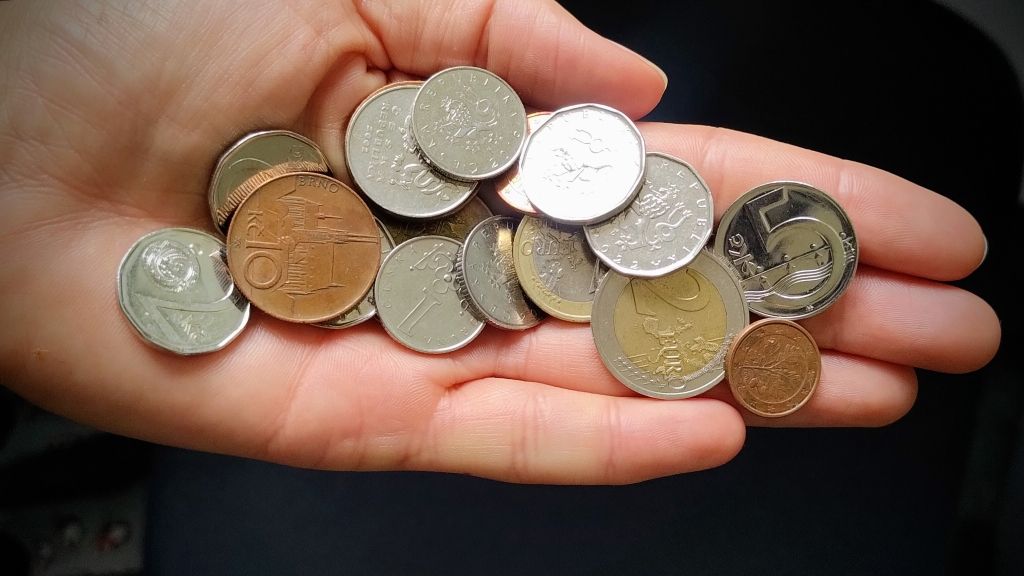
Czechia’s currency is the Czech Koruna (CZK, Kč), not the euro.
While most restaurants, hotels, and shops in larger cities like Prague or Brno accept credit cards, it’s still smart to carry some cash – especially in small towns, rural areas, or local markets.
Tips for exchanging money:
Never exchange cash on the street. Always use a bank or a certified exchange office (směnárna) with a clearly posted rate.
Check the exchange rate before you agree to the transaction. Some exchange places show great rates outside but apply hidden fees.
Avoid paying in euros at restaurants – many accept them but use unfavorable conversion rates, so you’ll end up paying more.
As of late 2025, the rate is roughly 1 USD = 21 CZK, 1 EUR = 24 CZK.
Local tip:
Even though card payments are common, don’t rely on them everywhere.
Some small cafés, countryside restaurants, or even public toilets might still be cash only, so it’s always good to have a few hundred crowns in your wallet.
Language and Communication
You’ll do just fine speaking English in most hotels, restaurants, and tourist sites.
Czechs start learning foreign languages at school, and younger generations often speak English well.
In smaller towns, though, English may be limited – especially among older people.
A few Czech phrases can go a long way:
Dobrý den – Hello / Good day
Děkuji – Thank you
Prosím – Please / You’re welcome
Locals really appreciate it when visitors try even a few words – it shows respect and usually earns a smile.
Safety Tips
Czechia is one of the safest countries in Europe, and visitors rarely encounter serious problems.
Still, it’s good to follow a few simple habits:
Watch your bags and pockets in crowded areas, especially around Old Town Square or Charles Bridge in Prague.
Use official taxis or reputable ride apps (Bolt, Uber) instead of accepting offers from drivers at tourist spots.
Always check restaurant bills before paying; occasionally, service charges or tips are added automatically.
Overall, crime rates are low, and locals are friendly and helpful – especially if you’re polite and patient.
Need a local guide?
If you’d like to explore Czechia and Central Europe comfortably and safely – with someone who knows local culture, hidden routes, and the best lunch spots –
I’d be happy to help.
Get in touch through the Contact Form
Let’s plan your next unforgettable trip across Central Europe.
